Where to Start
State of the Business Session
A founder strategy session across your whole business.
90-Minute Working Session
We walk through how your business runs today, from sales to delivery.
Prioritized 90-Day Plan
What to fix first, in what order, and who owns it.
Yours to Keep
Put it to work with your team, or hire me to lead it.
Friction Point Session
A founder strategy session for your biggest headache.
90-Minute Working Session
We dig into one problem, like client onboarding or sales follow-up.
Focused 90-Day Plan
Clear steps to solve it, with owners and milestones.
Yours to Keep
Put it to work with your team, or hire me to lead it.
Put Your Plan to Work
From plan to handoff, 90 days at a time. After each 90 days, we decide together what comes next. Three-month minimum required.
Build It
I work alongside your team to put the plan in place: processes documented, roles defined, systems built.
Own It
Your team takes the lead while I coach and keep things on track.
Make it Last
A clean handoff to your team or a new operations hire, so the work outlives my involvement.
You've got questions. I've got answers.
Frequently Asked Questions
Answers to what founders ask most.
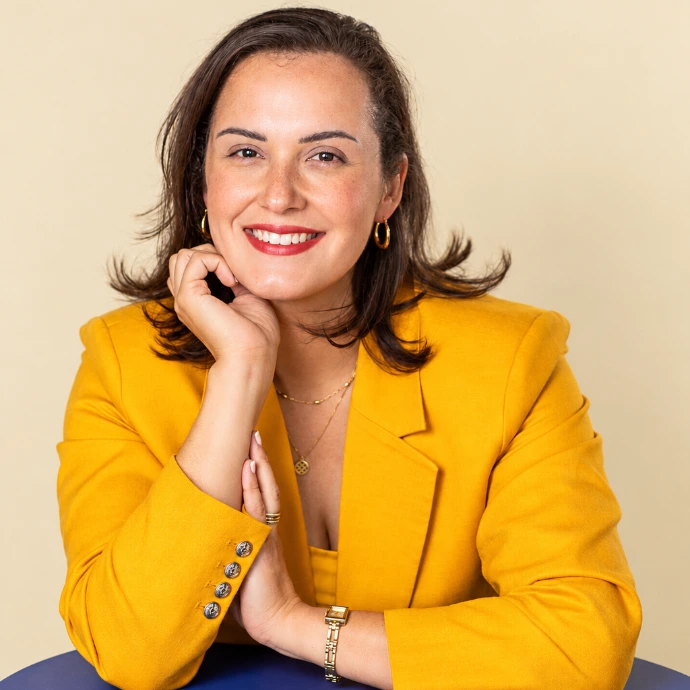
An OBM runs the operations side of a business so the founder can lead it. That covers processes, projects, team coordination, and the systems that keep work moving. I'm a Certified Online Business Manager through OBM School and hold an M.S. in Leadership Education. Before starting EGP, I spent six years running operations for a company as it grew from $2M to more than $6.5M.
Close. An OBM does the work of a fractional COO or general manager: leading operations, managing projects and people, and keeping the business moving toward its goals. The difference is how you hire it. You get that leadership part time, without an executive salary, until your business is ready to hire a COO on staff. When that day comes, I'll help you hire the right person and hand over the systems we built.
A virtual assistant handles tasks. I decide which work matters, design how it gets done, and lead your team through the change. If your business needs task support too, I can help you define the role and hire for it.
Founder-led businesses bringing in $300K or more a year that are either scaling or preparing to sell. Stage matters more than industry. My clients have included a video production studio, a marketing agency, a consumer products company, and a growing startup.
You need at least one team member to take ownership of the systems we build, because that's how the work lasts after I step back. If you're a solo founder about to make your first hire, we can build the operations and the role together.
Yes. Buyers pay more for a business that runs without its founder. Documented operations and a team that can carry the load make your business easier to evaluate and more valuable at the table.
Both begin with a paid 90-minute founder strategy discussion, and you leave with a 90-day plan. The difference is scope. The State of the Business Session looks across your whole operation and tells you what to fix first. A Friction Point Session focuses on one specific problem, like client onboarding, a key workflow, or sales follow-up. The plan is yours to keep. If you want me to put it into action with your team, we work together on a retainer with a three-month minimum.
Ninety days is long enough to build something real and short enough to stay focused. At the end of each sprint, we decide together whether you need another sprint or you're ready to hand off to your team. You're never locked into a long contract.
Expect more of your time at the start. In the first few weeks, I need to understand how the business runs today and where it gets stuck for you, so the plan solves the right problems. After that, your involvement drops. The goal is operations that run without you in the middle of them, with your team handling the day to day and you making the decisions only you can make. Most founders spend 2 to 3 hours a week with me early on and about 1 hour a week once things are up and running.
Usually not. I work inside the tools your team already uses and recommend changes only when a tool is getting in the way.
I work virtually from Nebraska, with clients across the US and the Americas. Meetings run during US Central Time business hours. I also work with clients in Spanish.
Everything. The processes, documentation, and systems I build are yours, whether we keep working together or not.